Braces for kids
Orthodontic treatment options for kids
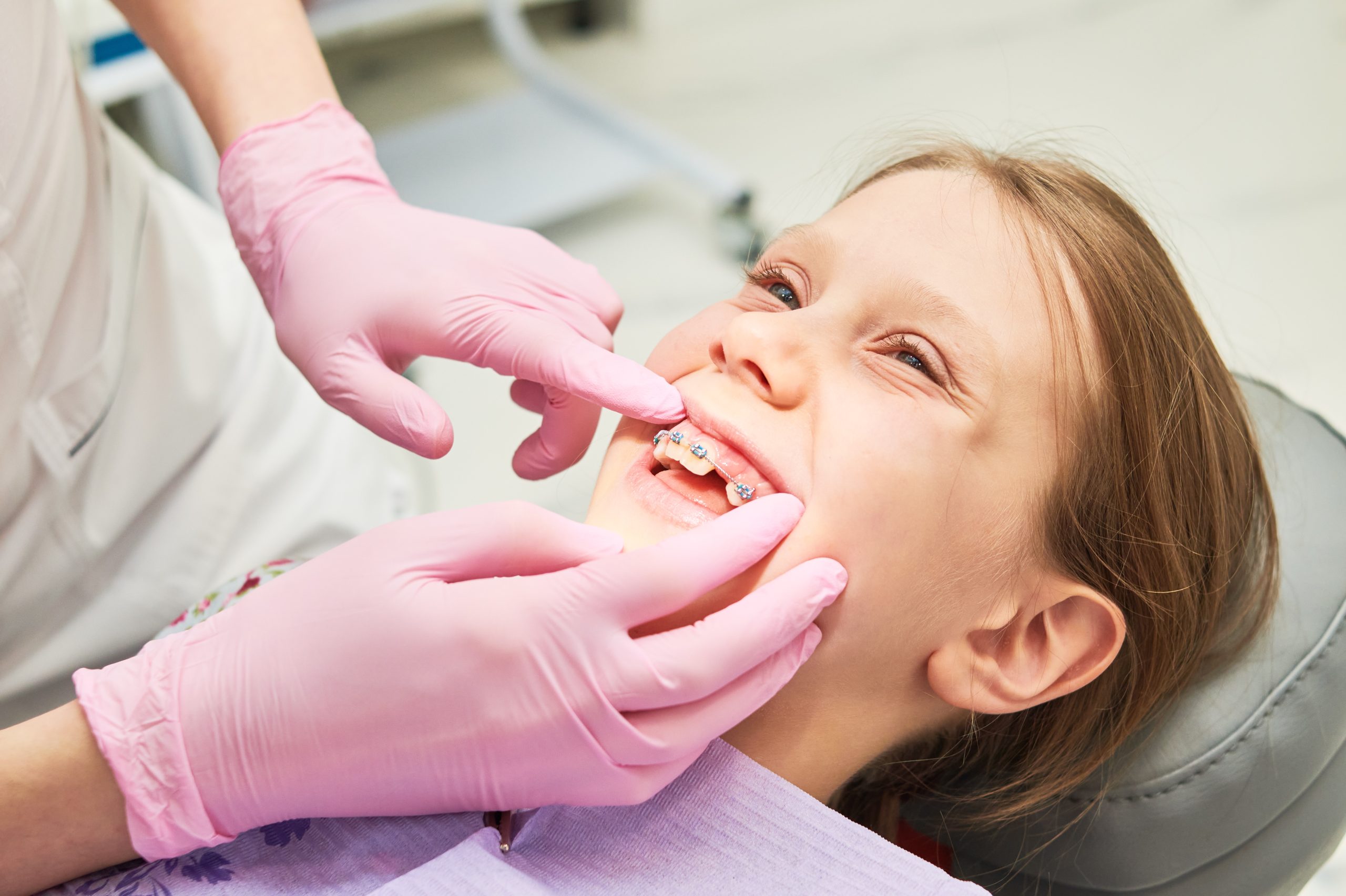
Most children lose all their baby teeth by age 13, and by the end of their teen years, the jaw bones will harden and stop growing. Orthodontic procedures for adults often take more time and can involve tooth extraction or oral surgery. Receiving early orthodontic treatment as a child (between the ages of 5 and 10) can help prevent the need for orthodontics as an adult, leaving little to no chance of extraction or surgery in the future. Early treatment (also known as Phase One) typically begins around age eight or nine (Phase Two begins around age 11 or older).
Learn more about the different phases, signs to keep an eye out for, and frequently asked questions about braces for your children.
Kids Braces in Northlake
The American Association of Orthodontists recommends that children have an orthodontic evaluation no later than age seven. At this point, they have a mix of baby teeth and adult teeth, making it easier to diagnose and correct tooth and jaw problems sooner and without surgery.
But don’t worry if your child is older than seven. It’s never too late to visit your orthodontic team, and different kids will need treatment at different times.
Early orthodontic treatment isn’t just about fixing teeth; it’s about setting your child up for a future of optimal oral health and high self-esteem. It’s about prevention, timely correction, and ensuring a healthier, happier adulthood. But what does this mean for your child?
When we treat orthodontic issues early, we can guide jaw development, correct harmful oral habits, improve facial aesthetics, guide permanent teeth into more favorable positions, and reduce the chance of trauma to protruding front teeth. Imagine being able to prevent future problems before they even begin. That’s the power of early treatment with braces.

New Braces - Now What?
Getting your braces is an exciting first step toward a beautiful, healthy smile! It’s completely normal to feel a mix of anticipation and nervousness. We want to make sure you know exactly what to expect on your big day, so you can feel prepared and confident as you begin your orthodontic journey.
After your braces are on, you may experience some soreness or discomfort for the first few days. Your teeth might feel tender, and the inside of your lips and cheeks may get irritated as they adjust to the brackets. This is a normal part of the process.
Here are a few tips to manage any pain:
- Over-the-counter pain relievers: A dose of ibuprofen or acetaminophen can help ease soreness. Please follow the dosage instructions on the package.
- Orthodontic wax: We will provide you with special wax. If a bracket or wire is rubbing against your cheek, simply break off a small piece, roll it into a ball, and press it over the area causing irritation.
- Saltwater rinse: Swishing with a warm saltwater solution (one teaspoon of salt in a glass of warm water) two to three times a day can help soothe any sores in your mouth.
Brushing and Flossing
Keeping your teeth and braces clean is more important than ever. Food particles can easily get trapped in your new hardware, so you’ll need to be extra diligent with your oral hygiene. On your first day, be gentle when you brush. Use a soft-bristled toothbrush and take your time cleaning around each bracket and along the gumline. Flossing will be a new challenge, but using a floss threader or orthodontic flosser will make it much easier to clean between your teeth and under the wire. We’ll show you the best techniques before you leave our office.
Eating With Your New Braces
Your teeth will likely be too sensitive for hard or crunchy foods on the first day. Stick to a soft-food diet to avoid discomfort and protect your new braces.
Good food choices include:
- Smoothies and yogurt
- Mashed potatoes
- Soups
- Scrambled eggs
- Pasta and rice
- Oatmeal
Avoid hard, sticky, or chewy foods like nuts, popcorn, hard candy, and gum, as these can damage your new braces. As the soreness fades, you can gradually reintroduce more solid foods into your diet.
PHase one
The goal of Phase-One treatment is to help the jaw develop in a way that will accommodate all of the permanent teeth and improve the way the upper and lower jaws fit together. This phase is also a great opportunity to help your child adjust to their routine oral hygiene care while in braces.

rest - abrupt
In this phase, the remaining permanent teeth are left alone as they erupt. We let nature take its course and this pause allows for time for any additional recommended dental treatments that might provide a better outcome after phase two.

PHase two
The goal of the second phase is to make sure each tooth has an exact location in the mouth where it is in harmony with the lips, cheeks, tongue, and other teeth. When this equilibrium is established, the teeth will function together properly. Phase two usually involves full upper and lower braces.
Does your child need braces?
As a parent, you always want what’s best for your child. That includes their oral health and ensuring they have a confident, radiant smile. But how do you know if your child needs braces? What are the signs to look out for?
Every child is unique, and so are their orthodontic needs. However, there are common signs that may indicate your child could benefit from braces.
Common signs in kids
- Difficulty Chewing or Biting — If your child often struggles or experiences discomfort when eating, it might be due to misaligned teeth.
- Crooked or Overlapping Teeth — This is one of the most visible signs. If your child’s teeth are not straight or are crowding each other, it may indicate the need for orthodontic correction.
- Mouth Breathing or Grinding Teeth at Night — These could be signs of an underlying orthodontic issue that braces can address.
- Spacing Between Teeth or Crowded Teeth — Large gaps or lack of space between teeth can both be indicators that braces may be beneficial.
- Misalignment of the Jaw — If your child’s upper and lower teeth don’t meet correctly when they close their mouth, this could be a sign of a bite problem that braces can correct.
So, are you ready to give your child the gift of a beautiful, healthy smile? Are you ready to set them on a path of optimal oral health and boosted self-esteem?
Take the first step today with a free consultation. Contact our team at Mansell Family Dentistry & Orthodontics and discover how our innovative approach to braces for kids can make a profound difference in your child’s life.
